Posted in

Clearing Out Household Clutter in Portland, Oregon: What to Know About Curbside Junk Pickup

Household Junk Doesn’t Usually Become a Problem Overnight

Most clutter starts with good intentions. An old bookshelf is moved to the garage after a renovation. Boxes from a previous move are set aside to sort through later. A broken appliance gets stored temporarily until there’s time to figure out where it should go. In many cases, homeowners assume they’ll deal with these items eventually.

Weeks turn into months, and months often turn into years. Before long, garages become crowded, storage areas become difficult to navigate, and spare rooms begin serving as makeshift warehouses for belongings that are no longer used. For homeowners throughout Portland, this gradual accumulation is one of the most common reasons household junk removal becomes necessary.

The challenge isn’t always deciding what should go. Most people already know which items they no longer need. The difficult part is finding the time, transportation, and energy required to remove everything. That’s why curbside household junk pickup has become an increasingly popular option for Portland residents looking for a practical way to clear unwanted items from their property.

Why Clutter Becomes a Bigger Issue Than Expected

Many homeowners underestimate how much space unwanted belongings actually occupy. A single piece of furniture may not seem significant, but multiple items spread across different rooms can slowly consume a surprising amount of square footage.

Clutter also tends to multiply. Once a storage area begins filling up, it often attracts additional items. A few boxes become a dozen. One unused chair turns into several pieces of old furniture. Eventually, entire sections of the home may become dedicated to storing belongings that serve little purpose.

For homeowners in Portland, where maximizing indoor and outdoor living space is important, removing unnecessary items can make a noticeable difference in both functionality and comfort.

Understanding Curbside Household Junk Pickup

Curbside household junk pickup is designed to make removing unwanted items easier. Instead of transporting everything yourself, items are placed in a designated outdoor location where they can be collected and removed.

Depending on the property, the pickup location may be along the curb, in the driveway, near a garage, or in another accessible area. Once the items are gathered and ready, they can be loaded and transported for appropriate handling.

This process eliminates many of the challenges associated with traditional junk removal. Homeowners no longer have to coordinate multiple disposal trips, locate a suitable vehicle, or spend hours loading and unloading bulky items.

Why Portland Homeowners Are Turning to Curbside Pickup

Life in Portland is busy. Between work, family responsibilities, outdoor activities, and home improvement projects, many residents simply don’t have the time to manage large-scale cleanup projects on their own.

Even when homeowners are motivated to declutter, the logistics of removing large items can create obstacles. Not everyone has access to a truck, trailer, or additional help for moving heavy furniture and appliances.

Curbside pickup provides a convenient alternative. Instead of focusing on transportation and disposal logistics, homeowners can focus on identifying the items they no longer need and preparing them for removal.

Furniture Is Often the Biggest Source of Household Clutter

Furniture is one of the most common items homeowners struggle to remove. Sofas, sectionals, recliners, dining room tables, bookshelves, desks, and dressers can take up considerable space once they are no longer being used.

Many people postpone furniture removal because moving large pieces can be physically demanding. Furniture is often heavy, difficult to maneuver through doorways, and challenging to transport without the proper vehicle.

As a result, old furniture frequently ends up stored in garages, basements, spare bedrooms, or sheds. Removing these items can instantly create more usable space and improve overall organization throughout the home.

Mattresses Tend to Linger Long After They Are Replaced

Replacing a mattress is easy compared to getting rid of the old one. Because mattresses are bulky and difficult to move, many homeowners postpone disposal for far longer than intended.

Old mattresses often end up leaning against garage walls, taking up space in guest rooms, or sitting in storage areas waiting for a future cleanup project.

The same situation frequently applies to box springs, bed frames, and other bedroom furniture. Removing these items can free up significant space while eliminating the frustration of storing items that are no longer useful.

Appliance Upgrades Often Leave Behind Unwanted Equipment

Modern appliances are replaced more frequently than many people realize. Homeowners upgrade refrigerators, washing machines, dryers, dishwashers, and ovens for a variety of reasons, including improved efficiency and updated features.

Unfortunately, once a new appliance arrives, the old one still needs to be removed. Because appliances are large and heavy, they often remain in garages, utility rooms, or side yards for extended periods.

Removing unused appliances can help homeowners reclaim storage space while reducing clutter throughout the property.

Electronics Continue to Accumulate Over Time

Technology changes quickly, and many households have outdated devices stored away in closets, cabinets, and storage bins.

Old televisions, computer monitors, desktop computers, printers, gaming consoles, speakers, and various accessories often remain tucked away long after they stop being useful. Because many electronic items are relatively small, homeowners may not immediately notice how much space they occupy.

Over time, however, years of accumulation can create substantial clutter. Removing outdated electronics can help simplify storage areas and create a more organized home.

Why Garages Become Catch-All Storage Areas

Few spaces attract clutter faster than the garage. Homeowners often use garages as temporary storage locations, but those temporary arrangements can become permanent surprisingly quickly.

Old furniture, unused exercise equipment, broken tools, lawn supplies, seasonal decorations, and miscellaneous household items frequently end up stored there. Eventually, the garage may become so crowded that parking a vehicle inside is no longer possible.

A thorough garage cleanout can dramatically improve the functionality of the space while making it easier to locate and access important belongings.

Spare Rooms Can Slowly Lose Their Purpose

When storage areas become full, clutter often begins spreading into spare bedrooms and other underutilized spaces within the home.

Guest rooms, home offices, and hobby spaces can gradually transform into storage rooms filled with boxes and unwanted belongings. While this may seem harmless at first, it often limits how effectively these rooms can be used.

Removing unnecessary items helps restore functionality and allows homeowners to make better use of the space they already have.

The Benefits of Decluttering Go Beyond Appearance

One of the most overlooked benefits of junk removal is the improvement in daily functionality. Homes with less clutter are generally easier to clean, organize, and maintain.

Storage spaces become more efficient, finding important belongings becomes easier, and rooms often feel more comfortable when they aren’t crowded with unnecessary items.

Many homeowners are surprised by how much lighter and more manageable their home feels after completing a major cleanout project.

Clutter Can Create Safety Concerns

Excessive clutter can create hazards throughout the home. Stacks of boxes, unused furniture, and miscellaneous belongings may obstruct walkways and increase the likelihood of trips and falls.

This can be particularly important for households with children, older adults, or individuals with mobility challenges. Keeping living spaces clear and organized helps create a safer environment for everyone.

Routine junk removal can help prevent clutter from reaching levels that create unnecessary risks.

Seasonal Cleanouts Are Popular Throughout Portland

Many homeowners use seasonal changes as motivation to tackle decluttering projects. Spring cleaning remains a popular tradition, but cleanouts can occur at any time of year.

Changing seasons often provide a natural opportunity to evaluate belongings, reorganize storage areas, and remove items that are no longer needed.

Addressing clutter regularly helps prevent it from becoming overwhelming while making future cleanup efforts much easier.

Moving Is One of the Best Times to Remove Unwanted Items

Relocating provides an ideal opportunity to evaluate what should and shouldn’t come to the next home.

Packing every room often reveals furniture, appliances, electronics, and miscellaneous household items that no longer serve a purpose. Removing these belongings before moving can reduce costs and simplify the entire process.

Many homeowners find that moving gives them the motivation needed to finally address years of accumulated clutter.

Downsizing Often Requires Significant Decluttering

Portland homeowners who are transitioning into smaller homes frequently discover they need to reduce the number of belongings they keep.

Furniture that fit comfortably in a larger home may not be practical in a smaller residence. Storage limitations often require homeowners to make careful decisions about which items are truly worth keeping.

Starting the decluttering process early can make downsizing significantly less stressful and more manageable.

Renovation Projects Can Create Unexpected Amounts of Junk

Home remodeling projects often generate more waste than homeowners anticipate. Old cabinets, flooring, fixtures, furniture, and construction-related materials frequently need to be removed during the renovation process.

Even relatively small projects can create large amounts of debris and unwanted materials. Removing these items promptly helps keep projects organized and prevents clutter from lingering after the work is complete.

A clean space allows homeowners to fully enjoy the results of their renovation efforts.

Estate Cleanouts Can Be Difficult to Navigate

Estate cleanouts often involve sorting through years of accumulated belongings while making decisions about what should be kept, donated, or removed.

These projects can be both physically demanding and emotionally challenging. Having a plan for removing unwanted items can help simplify the process and reduce some of the logistical burden.

Taking a step-by-step approach often makes large estate cleanouts feel much more manageable.

What Happens to Household Junk After Pickup?

Many homeowners are curious about what happens once their items leave the property. While some materials ultimately require disposal, others may be eligible for recycling or reuse.

Items such as metal, cardboard, electronics, and certain household goods may have recycling opportunities available. Depending on condition, some items may also be suitable for donation.

Responsible handling practices help ensure materials are managed appropriately while reducing unnecessary waste whenever possible.

Keeping Clutter From Returning

Removing clutter is only part of the solution. Maintaining an organized home requires ongoing attention and occasional reevaluation of what is truly needed.

Many homeowners find success by scheduling regular cleanouts throughout the year and addressing unwanted items before they accumulate. Small efforts performed consistently can prevent larger problems from developing later.

Simple habits such as organizing storage areas, donating unused belongings, and avoiding unnecessary accumulation can help maintain a cleaner and more functional home.

Reclaim Your Home One Item at a Time

Unwanted household items have a tendency to accumulate gradually until they begin affecting how a home looks, feels, and functions. Furniture, appliances, electronics, mattresses, and general household clutter can occupy valuable space that could be used more effectively.

Curbside household junk pickup provides a convenient way to clear those items out without the hassle of handling transportation yourself. Whether you’re preparing for a move, cleaning out a garage, downsizing, renovating, or simply looking to create a more organized home, removing unwanted clutter can have an immediate impact.

For homeowners throughout Portland, Oregon, Junk Transporters offers a practical solution for household junk pickup, helping residents reclaim valuable space and enjoy a cleaner, more functional living environment.

Posted in

From Cluttered to Comfortable: A Homeowner’s Guide to Curbside Household Junk Pickup in Atlanta

Every Home Collects More Than Its Fair Share of Stuff

Most homeowners can point to at least one area of the house that has become a holding place for things they no longer use. It might be a garage packed with old furniture, a basement filled with storage bins, or a spare bedroom that has slowly transformed into a catch-all space for miscellaneous belongings.

The truth is that clutter rarely appears all at once. It builds gradually through everyday life. Furniture gets replaced. Children outgrow toys and equipment. Appliances are upgraded. Home improvement projects leave behind materials that never quite get removed. Over time, items that once seemed temporary begin occupying valuable space throughout the property.

For homeowners across Atlanta, clutter is a common challenge. Whether living in Midtown, Buckhead, Sandy Springs, Decatur, Marietta, Roswell, Alpharetta, or another nearby community, many residents eventually reach a point where they want their space back. That’s where curbside household junk pickup can make a significant difference.

Why Getting Rid of Household Junk Is Often Easier Said Than Done

Most people know what they want to get rid of. The challenge is figuring out how to remove it.

A few small boxes can usually fit in a vehicle, but large furniture, heavy appliances, and bulky household items are a different story. Many homeowners discover that removing junk requires more time, equipment, and physical effort than they initially expected.

Even something as simple as getting an old sofa out of the house can become complicated. Add in the need to transport items, locate appropriate disposal facilities, and unload everything afterward, and what seemed like a simple cleanup project can quickly become an all-day event.

Because of these obstacles, unwanted belongings often remain in place much longer than intended.

What Is Curbside Household Junk Pickup?

Curbside household junk pickup is a convenient way to remove unwanted items without having to haul them away yourself.

The process is straightforward. Homeowners identify the items they no longer need and place them in an accessible outdoor area. Depending on the property, this may be along the curb, in the driveway, near the garage, or another designated pickup location.

Once the items are ready, they can be collected and transported for appropriate handling. This allows homeowners to clear out unwanted belongings without the challenges associated with moving and transporting everything independently.

For many Atlanta residents, curbside pickup offers a practical alternative to renting trucks, borrowing trailers, or making multiple trips to disposal facilities.

Why More Atlanta Homeowners Are Choosing Curbside Pickup

Atlanta continues to grow as one of the largest metropolitan areas in the Southeast. With population growth comes new home purchases, relocations, renovations, and lifestyle changes that often generate unwanted household items.

At the same time, many residents have busy schedules. Between work, commuting, family responsibilities, and social commitments, finding an entire day to deal with clutter isn’t always realistic.

Curbside junk pickup helps simplify the process. Instead of spending hours handling logistics, homeowners can focus on deciding what should stay and what should go.

This convenience has made curbside household junk pickup an increasingly popular option throughout the Atlanta area.

The Clutter Most Homeowners Keep Longer Than They Should

Almost everyone has a few items around the house that they intended to remove months ago. These are often the belongings that continue taking up space simply because they are difficult to move or dispose of.

Old furniture, broken appliances, outdated electronics, worn mattresses, unused exercise equipment, and damaged outdoor furniture are among the most common examples.

While homeowners may no longer have a use for these items, they often remain stored in garages, basements, attics, or spare rooms because getting rid of them feels like a major project.

Over time, those delayed decisions can contribute to significant clutter throughout the home.

Furniture Is Often the Largest Contributor to Household Clutter

Furniture has a unique way of consuming space. A single couch, dining table, or dresser can occupy a substantial portion of a room, garage, or storage area.

When homeowners replace furniture, the old pieces frequently remain on the property because they are difficult to transport. Large sectionals, entertainment centers, bookshelves, desks, and recliners are often stored “temporarily” but end up staying far longer than expected.

Removing unwanted furniture is one of the fastest ways to create noticeable improvements in a home’s organization and functionality.

Many homeowners are surprised by how much larger and more usable their space feels once oversized items have been removed.

Mattresses Are Notorious for Taking Up Space

Anyone who has ever tried moving a mattress understands how awkward the process can be. Their size makes them difficult to maneuver through doorways, hallways, and staircases.

Once replaced, old mattresses often end up leaning against garage walls, sitting in guest rooms, or occupying valuable storage space. The same is true for box springs, bed frames, and headboards.

Because mattresses are difficult to transport and may be subject to disposal restrictions, many homeowners postpone removal longer than they intended.

Clearing these items out can instantly free up significant amounts of space.

Appliances Can Be Among the Hardest Items to Remove

Appliance upgrades are common in modern households. Whether replacing a refrigerator, upgrading a washer and dryer, or installing a new dishwasher, homeowners are often left wondering what to do with the old equipment.

Large appliances are not only heavy but can also be challenging to move safely. Navigating tight spaces, stairs, and narrow doorways often requires extra help and specialized equipment.

As a result, outdated appliances frequently remain in garages, utility rooms, and storage areas long after they stop being useful.

Removing them can help reclaim valuable square footage while improving overall organization.

Electronics Tend to Multiply Over the Years

Technology evolves rapidly, and many households have accumulated years’ worth of outdated devices.

Old televisions, desktop computers, monitors, printers, gaming systems, speakers, and electronic accessories often remain tucked away in closets and storage bins. While each item may seem relatively small on its own, years of accumulation can create a surprising amount of clutter.

Many homeowners discover entire boxes filled with cables, chargers, and electronic equipment they haven’t used in years.

Removing outdated electronics can simplify storage areas and make it easier to stay organized.

Why Garages Become Overflowing Storage Areas

Garages are often intended to provide vehicle storage and workspace. However, they frequently become the first place homeowners store unwanted items.

A garage may begin with a few boxes and an old chair, but over time it can become filled with furniture, seasonal decorations, tools, exercise equipment, lawn supplies, and miscellaneous belongings.

Eventually, the space becomes difficult to navigate and may no longer serve its intended purpose.

A garage cleanout can dramatically improve organization while making the space more useful for everyday activities.

Basements and Attics Are Often Forgotten Storage Zones

While garages tend to attract the most attention, basements and attics can also become repositories for years of accumulated belongings.

These areas often contain items that homeowners haven’t seen or used in years. Holiday decorations, inherited furniture, old clothing, unused household goods, and boxes of miscellaneous items can quietly occupy large amounts of space.

Because these areas are visited less frequently, clutter can continue accumulating unnoticed for long periods.

Removing unnecessary items helps restore storage capacity and improve overall organization throughout the home.

Spare Bedrooms Deserve Better Than Becoming Storage Rooms

Many homes include extra rooms intended for guests, hobbies, or home offices. Unfortunately, these rooms often become convenient places to store belongings that don’t fit elsewhere.

Before long, a guest room becomes packed with boxes. A home office fills with unused furniture. A hobby room becomes impossible to use because it has become a storage area.

Clearing unwanted items from these spaces can restore their original purpose and help homeowners get more value from their homes.

The Benefits of Decluttering Extend Beyond Appearance

Most people think of decluttering as a cosmetic improvement, but its benefits go much further.

A home with less clutter is generally easier to clean, organize, and maintain. Storage areas function more efficiently, important items are easier to locate, and rooms often feel larger and more comfortable.

Many homeowners also report feeling less overwhelmed after removing unnecessary belongings. A cleaner environment can create a greater sense of order and make day-to-day living more enjoyable.

Clutter Can Affect Safety Around the Home

Excessive clutter can create more than just organizational problems. It can also present safety concerns.

Boxes stacked in walkways, furniture stored in narrow spaces, and miscellaneous items scattered throughout storage areas can increase the risk of trips and falls.

This can be especially important for households with children, older adults, or individuals with mobility challenges.

Removing unnecessary obstacles helps create a safer and more accessible living environment.

Seasonal Cleanouts Help Keep Clutter Under Control

One of the most effective ways to prevent clutter from becoming overwhelming is to address it regularly.

Many Atlanta homeowners use spring cleaning as an opportunity to remove unwanted items and reorganize their living spaces. Others schedule cleanouts before the holidays, after major projects, or at the beginning of a new year.

Regular decluttering sessions can prevent storage areas from becoming overcrowded and reduce the amount of work required during future cleanups.

Moving Is the Perfect Opportunity to Let Go of Unwanted Items

Few situations reveal household clutter more clearly than moving.

Packing every room forces homeowners to evaluate what they truly want to keep. Items that haven’t been used in years often become obvious candidates for removal.

Getting rid of unwanted furniture, appliances, and miscellaneous belongings before moving can reduce transportation costs and make unpacking easier in the new home.

Many people find that moving provides the motivation needed to finally address years of accumulated clutter.

Downsizing Often Requires Difficult Decisions

As lifestyles change, many homeowners choose to move into smaller homes, townhomes, or condominiums.

While downsizing offers many advantages, it also requires homeowners to make decisions about which belongings are truly necessary.

Furniture that fit comfortably in a larger home may not work in a smaller space. Storage limitations often require careful planning and thoughtful decluttering.

Removing unnecessary items before a move can help simplify the transition and reduce stress.

Renovation Projects Often Create Unexpected Amounts of Junk

Home improvement projects can dramatically improve a property, but they also tend to generate large amounts of unwanted material.

Old cabinets, flooring, fixtures, furniture, countertops, and miscellaneous construction debris often need to be removed as part of the renovation process.

Without a plan for disposal, these materials can linger long after the project is complete.

Prompt removal helps keep projects organized and allows homeowners to fully enjoy their newly updated spaces.

Estate Cleanouts Can Feel Like an Enormous Task

Estate cleanouts often involve sorting through years of accumulated belongings while balancing emotional and practical considerations.

These projects may include furniture, household goods, appliances, clothing, and countless personal items. The sheer volume can make the process feel overwhelming.

Approaching the project methodically and removing unwanted items in stages can make the process more manageable and less stressful.

What Happens to Household Junk After Pickup?

Many homeowners wonder what happens after their unwanted items are collected.

While some materials ultimately require disposal, others may have opportunities for recycling or reuse. Metal items, cardboard, certain electronics, and various household materials may be diverted from landfills whenever appropriate options are available.

Responsible handling practices help reduce waste while ensuring materials are managed properly.

Why Consumers Trust Junk Transporters

When homeowners decide it’s time to clear out unwanted clutter, they want the process to be as simple and stress-free as possible. Reliability, communication, and professionalism all play important roles in choosing a junk removal provider.

That’s why many residents throughout Atlanta turn to Junk Transporters for household junk pickup services. Whether the project involves a single bulky item or an entire property filled with unwanted belongings, homeowners appreciate having a dependable solution available.

Junk Transporters helps homeowners remove furniture, appliances, mattresses, electronics, garage clutter, and general household junk without the hassle of handling transportation themselves. By providing a straightforward pickup process, the company helps residents reclaim valuable space and move forward with their cleanup goals.

Keeping Clutter From Returning After a Cleanout

Removing unwanted items is an important first step, but maintaining an organized home requires ongoing attention.

Many homeowners find it helpful to periodically review storage areas and identify items they no longer use. Addressing clutter early prevents it from accumulating into a larger problem later.

Simple habits such as donating unused belongings, organizing storage spaces, and avoiding unnecessary accumulation can make a significant difference over time.

Consistent maintenance often requires far less effort than major cleanouts performed every few years.

Create More Space and Less Stress

Household clutter has a way of accumulating quietly until it begins affecting how a home functions. Furniture, appliances, mattresses, electronics, storage bins, and miscellaneous belongings can gradually consume valuable space that could be used more effectively.

Curbside household junk pickup offers a practical solution for homeowners who want to remove unwanted items without the challenges of hauling everything away themselves. Whether you’re cleaning out a garage, preparing for a move, downsizing, renovating, or simply looking to create a more organized home, clearing clutter can have an immediate impact.

For homeowners throughout Atlanta and the surrounding communities, Junk Transporters provides a convenient option for household junk pickup, helping residents reclaim their space, reduce stress, and enjoy a cleaner, more functional home.

Construction Debris Removal, Waste & Dump Services

Construction Debris Removal, Waste & Dump Services

Construction projects can leave behind a lot of debris.

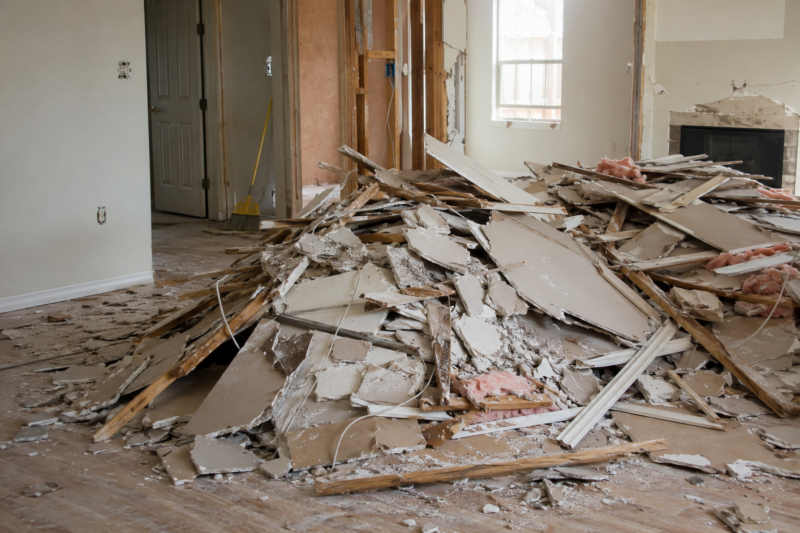
Even a small renovation, repair, remodel, or demolition job can create piles of wood, drywall, flooring, tile, cabinets, insulation, concrete, packaging, fixtures, scrap materials, and general waste.

Once the work is done, all that debris still needs to be removed.

That is where Junk Transporter can help.

We provide construction debris removal, pickup, cleanup, haul away, waste, and dump services for homeowners, contractors, landlords, property managers, real estate professionals, business owners, and anyone dealing with leftover construction waste.

Whether you are cleaning up after a home remodel, clearing a rental property, finishing a small demolition project, or removing debris from a job site, our team can help haul away the mess.

Need construction debris gone? Contact Junk Transporter today and let us handle the pickup, cleanup, hauling, and dump work for you.

Construction Debris Removal for Homes, Businesses, and Job Sites

Construction debris removal is one of the most important parts of finishing a project properly.

A room may be remodeled, a wall may be removed, a floor may be replaced, or a deck may be demolished, but the job does not feel complete while debris is still sitting around.

Piles of waste can block access, slow down other work, create safety hazards, and make the property look unfinished.

Junk Transporter helps remove construction debris so the space can be cleaned, inspected, repaired, shown, rented, sold, or used again.

We help with debris from small and mid-sized projects, including home renovations, rental repairs, office updates, landscaping work, property cleanouts, and light demolition cleanup.

Why Construction Debris Is Hard to Remove

Construction debris is often heavy, sharp, bulky, dusty, and messy.

It may include nails, screws, broken tile, splintered wood, drywall dust, insulation, concrete pieces, metal scraps, glass, flooring debris, and sharp edges.

Regular trash pickup is usually not enough for this type of waste.

Many trash services will not take large amounts of construction material, and some materials may need to be handled differently from normal household junk.

Trying to remove everything yourself can mean multiple dump trips, truck rentals, heavy lifting, and a lot of time spent loading and unloading.

Professional construction debris pickup helps make the cleanup easier and safer.

Clearing Debris So the Project Can Move Forward

Construction debris often gets in the way of the next step.

If you are remodeling, debris can block installers, painters, cleaners, flooring crews, plumbers, electricians, or inspectors.

If you are preparing a property for sale or rent, debris can make the space look neglected.

If you are a contractor, leftover waste can affect how professional the job site appears to the customer.

Construction debris cleanup helps keep things moving.

Once the waste is removed, the space feels cleaner, safer, and closer to finished.

Construction Debris Pickup & Dump Services

Construction debris pickup is useful when material has already been removed, torn out, demolished, or collected in piles.

You may have debris in a garage, driveway, yard, renovation area, apartment, rental unit, commercial space, or job site.

Junk Transporter provides construction debris pickup and dump services so you do not have to deal with hauling the waste yourself.

We help remove unwanted materials, load them, haul them away, and take care of the disposal side of the job.

When Regular Trash Service Will Not Work

Most construction debris is not suitable for regular trash bins.

Drywall, flooring, lumber, concrete, cabinets, doors, windows, roofing material, tile, and demolition debris can be too large or too heavy for standard pickup.

Some cities and neighborhoods also have rules about construction waste at the curb.

If you leave debris outside too long, it may create complaints, fines, or rejected pickup.

Construction debris dump services give you a more practical option.

Instead of cutting everything into tiny pieces or waiting for multiple trash days, Junk Transporter can haul away the debris and help clear the property faster.

Avoid Renting a Truck or Trailer

Removing construction debris yourself often sounds simple until the pile gets bigger.

You may need a truck, trailer, extra help, gloves, loading equipment, and access to the right disposal location.

Then you still have to lift everything, secure it, drive it away, unload it, and possibly repeat the process.

Construction debris haul away helps you avoid that hassle.

Junk Transporter handles the pickup and hauling so you can focus on finishing the project, managing the property, or getting the space ready for use.

Construction Debris Cleanup After Renovations

Renovation projects create many different types of waste.

Even a simple kitchen, bathroom, basement, garage, or flooring project can leave behind a mix of old materials and packaging.

Junk Transporter helps with construction debris cleanup after renovations so the work area is not left full of junk.

Kitchen Renovation Debris

Kitchen remodels can create a large amount of construction waste.

Old cabinets, countertops, sinks, flooring, drywall, tile, fixtures, trim, packaging, and scrap wood may all need to be removed.

These materials can quickly fill a garage, driveway, or work area.

Construction debris removal helps clear the waste so new cabinets, appliances, flooring, and finishes can be installed more easily.

Bathroom Renovation Debris

Bathroom projects often create heavy and messy debris.

Old toilets, sinks, vanities, tile, drywall, mirrors, fixtures, tubs, shower doors, flooring, and plumbing materials may need to be hauled away.

Broken tile and drywall can be dusty and sharp.

Junk Transporter can help with bathroom renovation debris cleanup so the space is ready for the next stage.

Flooring Debris

Flooring replacement creates a surprising amount of waste.

Old carpet, padding, laminate, hardwood, vinyl, tile, underlayment, tack strips, nails, staples, and packaging can pile up quickly.

If the debris is left in the way, it can slow down the installation of new flooring.

Construction debris pickup helps remove old flooring materials and keeps the project area cleaner.

Basement and Garage Renovation Waste

Basement and garage projects often uncover years of clutter along with construction debris.

You may have old shelving, drywall, wood scraps, insulation, flooring, storage items, cabinets, and other waste.

Junk Transporter can help remove construction debris and related junk from these areas so the renovation can continue.

Construction Debris Haul Away After Demolition

Demolition work usually creates bulky waste that needs to be removed quickly.

Whether you removed a small wall, tore down cabinets, demolished a deck, broke up a patio, or cleared out an old structure, the debris can be difficult to manage.

Junk Transporter provides construction debris haul away after light demolition projects.

Deck Demolition Debris

Old decks can produce a lot of wood, railings, steps, nails, screws, posts, and hardware.

The debris may be splintered, weathered, or full of sharp fasteners.

Construction debris removal helps clear deck materials so the area can be rebuilt, landscaped, or left open.

Cabinet and Fixture Removal Debris

Cabinets, vanities, countertops, shelves, doors, trim, and fixtures often need to be removed during updates.

These items can be awkward to carry and may not fit in regular trash.

Junk Transporter can pick up cabinet and fixture debris and haul it away.

Drywall and Wall Removal Debris

Removing drywall creates dust, broken pieces, screws, insulation, and framing scraps.

Drywall debris can spread quickly if it is not cleaned up.

Construction debris cleanup helps remove the material so the room is easier to work in again.

Small Structure Debris

Small sheds, playsets, fencing sections, outdoor structures, and other light demolition projects can leave behind wood, metal, roofing, plastic, concrete, and mixed debris.

Junk Transporter can help haul away the debris after the structure has been taken down.

Construction Waste Removal for Contractors

Contractors often need reliable cleanup support during and after projects.

A clean job site matters because it affects safety, workflow, and customer satisfaction.

Junk Transporter helps contractors with construction waste removal when debris needs to be hauled away without slowing down the job.

Keeping Job Sites Cleaner

Construction debris can get in the way of tools, workers, materials, and daily progress.

Piles of waste can also create trip hazards and make the site harder to manage.

Regular debris pickup helps keep the work area more organized.

A cleaner job site can also make a better impression on clients.

Helping Small Crews Save Time

Small crews often do not have extra time to haul debris.

Every hour spent loading and dumping waste is time not spent on the actual work.

Construction debris haul away helps crews focus on the project while Junk Transporter handles the cleanup.

Flexible Cleanup for Smaller Projects

Not every project requires a large dumpster.

Some jobs create enough debris to need professional pickup, but not enough to justify a full dumpster sitting on the property.

Construction debris pickup can be a practical solution for smaller renovation, repair, and cleanup jobs.

Debris Removal Between Project Phases

Some projects need debris removed before the next phase can begin.

For example, demolition debris may need to be cleared before framing, flooring, painting, or installation work.

Junk Transporter can help remove the waste so your team can keep moving.

Construction Waste Removal for Property Owners

Property owners may need construction debris removal after DIY projects, contractor work, repairs, or property cleanouts.

Even if the work itself is finished, the leftover waste can still be a problem.

Junk Transporter helps homeowners, landlords, and real estate professionals remove construction debris so the property is easier to use or show.

Homeowner Construction Debris Cleanup

Homeowners often tackle projects over the weekend and end up with more debris than expected.

A small bathroom update, flooring replacement, cabinet removal, or patio repair can leave behind piles of material.

Instead of waiting weeks to get rid of everything, construction debris pickup helps clear it out faster.

Landlord and Rental Property Debris Removal

Rental properties often need repairs between tenants.

Old flooring, damaged cabinets, broken fixtures, drywall, doors, trim, and other materials may need to be removed quickly.

Construction debris cleanup helps landlords and property managers get the unit ready for cleaners, painters, repair crews, or new tenants.

Real Estate and Pre-Sale Cleanup

If a property is being prepared for sale, leftover construction debris can hurt the first impression.

Buyers want to see a clean, usable space, not piles of materials in the garage, yard, or driveway.

Junk Transporter can help remove construction waste before showings, inspections, photos, or listing preparation.

Business and Commercial Property Cleanup

Offices, shops, warehouses, restaurants, and other commercial spaces may need construction debris removed after improvements or repairs.

Old fixtures, flooring, drywall, shelving, packaging, and renovation waste can block work areas and storage spaces.

Construction debris haul away helps clear the property so business can continue more smoothly.

What Types of Construction Debris Can Be Removed?

Construction debris can include many different materials.

Some projects create clean piles of one material, while others create mixed waste.

Junk Transporter can help remove many common types of construction debris and renovation waste.

Wood and Lumber

Scrap wood, studs, framing pieces, plywood, trim, pallets, shelving, boards, and deck lumber are common construction waste items.

Wood debris may contain nails, screws, splinters, or sharp edges.

Junk Transporter can help remove wood debris from renovation and demolition projects.

Drywall and Plaster

Drywall debris is dusty and messy.

It can come from wall removal, ceiling repairs, water damage restoration, basement finishing, or remodeling work.

Drywall scraps, plaster pieces, and related wall debris can be hauled away as part of construction cleanup.

Flooring Materials

Flooring debris may include carpet, padding, laminate, hardwood, tile, vinyl, underlayment, tack strips, staples, and transition pieces.

These materials can be bulky and difficult to dispose of through regular trash.

Tile and Ceramic Debris

Broken tile, ceramic pieces, grout, mortar, and bathroom or kitchen demo debris can be sharp and heavy.

Junk Transporter can help remove these materials from renovation areas.

Cabinets, Doors, and Fixtures

Old cabinets, vanities, doors, shelves, countertops, sinks, toilets, light fixtures, and hardware often come out during remodels.

These items can be bulky and awkward to move.

Construction debris pickup can help haul them away.

Concrete, Brick, and Masonry

Some construction projects create concrete, brick, block, stone, or masonry debris.

These materials are heavy and may need to be handled carefully.

If your debris includes heavy masonry materials, share that information when scheduling.

Packaging and General Job Site Waste

Construction projects often create large amounts of packaging.

Cardboard, plastic wrap, foam, pallets, boxes, bags, and product packaging can pile up quickly.

Junk Transporter can help remove general job site waste along with other debris.

Construction Debris Cleanup for Safer Work Areas

Construction debris can create safety problems if it is left scattered around a property.

Loose boards, nails, broken tile, sharp metal, drywall dust, heavy pieces, and blocked walkways can all increase the risk of injury.

Construction debris cleanup helps reduce these hazards and makes the space easier to work in.

Clear Walking Paths

Debris in walkways, driveways, hallways, stairways, and work zones can create trip hazards.

Removing the waste helps people move through the property more safely.

Reduce Sharp and Hazardous Debris

Construction debris often has sharp edges.

Nails, screws, broken tile, glass, metal, and splintered wood can be dangerous if left exposed.

Junk Transporter can help remove these materials so the area is cleaner and safer.

Improve Job Site Organization

A clean job site is easier to manage.

Tools, supplies, and workers have more room when waste is not scattered around.

Construction debris removal helps create a more organized work environment.

Prepare for Final Cleaning

Before a renovation or repair project can feel finished, the debris needs to be removed.

Once the waste is gone, final cleaning becomes much easier.

How Much Does Construction Debris Removal Cost?

The cost of construction debris removal depends on the amount of debris, type of materials, weight, access, loading conditions, and whether the waste is mixed or separated.

A few bags of drywall debris will be different from a full pile of cabinets, flooring, wood, and concrete.

Junk Transporter can help you understand what affects the cleanup before the job begins.

Amount of Debris

The more debris there is, the more hauling space and labor may be needed.

Small projects may create a few piles of waste.

Larger projects may produce truckloads of construction material.

Type of Materials

Different materials have different handling needs.

Drywall is dusty. Tile and concrete are heavy. Wood may contain nails. Cabinets and fixtures are bulky.

The type of debris can affect the removal process.

Weight of the Load

Construction debris can be much heavier than regular junk.

Concrete, tile, brick, stone, plaster, and dense wood can add weight quickly.

Weight is an important factor in construction debris dump services.

Access to the Debris

Access can affect labor.

Debris near a driveway or curb may be easier to load than debris inside a basement, upstairs room, apartment, backyard, or tight construction area.

Stairs, elevators, narrow halls, and long carry distances can affect the job.

Mixed or Sorted Waste

Debris that is already sorted may be easier to handle in some cases.

Mixed debris can still be removed, but it may require more time and care.

Let Junk Transporter know if the waste includes heavy materials, sharp items, or mixed construction debris.

Why Choose Junk Transporter for Construction Debris Removal?

Construction debris cleanup is not something most people want to do after a long project.

The work is heavy, dusty, and time-consuming.

Junk Transporter helps make the final cleanup easier by removing debris and hauling it away.

We Handle Heavy and Bulky Materials

Construction debris can be much heavier than normal junk.

Our team helps remove bulky and heavy materials so you do not have to handle them alone.

We Help Keep Projects Moving

Debris can delay repairs, installations, inspections, cleaning, and property turnover.

Fast construction debris pickup helps keep the project moving forward.

We Save You Dump Runs

Hauling construction waste yourself can require several trips.

Junk Transporter helps save time by handling the pickup and haul away for you.

We Work With Different Cleanup Needs

Every project is different.

Some jobs involve a few piles of renovation waste. Others involve mixed debris from demolition, repairs, or property cleanup.

We can help with a range of construction debris removal needs.

We Make the Property Look Finished

A project does not feel complete while debris is still sitting around.

Removing the waste helps the property look cleaner, safer, and ready for use.

Our Construction Debris Removal Process

Junk Transporter keeps construction debris removal simple.

You tell us what needs to be removed, where it is located, and what type of materials are included.

From there, we help plan the pickup and haul away.

Step 1: Tell Us About the Debris

Start by sharing what kind of construction debris you need removed.

This may include wood, drywall, flooring, tile, cabinets, fixtures, concrete, packaging, or mixed renovation waste.

Let us know the approximate amount if you can.

Step 2: Share the Location

Tell us where the debris is located.

Is it in a driveway, garage, yard, apartment, house, basement, job site, commercial space, or rental property?

Access details help us plan the pickup.

Step 3: Mention Heavy or Sharp Materials

If the debris includes concrete, tile, brick, glass, metal, nails, screws, or other sharp materials, let us know.

This helps us prepare for safe loading and cleanup.

Step 4: We Load the Debris

Once the job is ready, Junk Transporter loads the construction debris.

We remove the unwanted materials from the property or work area and prepare them for haul away.

Step 5: We Haul It Away

After the debris is loaded, we haul it away for proper handling.

You do not have to rent a truck, make dump runs, or deal with the mess yourself.

Signs You Need Construction Debris Cleanup

Some people leave construction debris sitting around because they plan to deal with it later.

But the longer it stays, the more it gets in the way.

The Project Is Finished but the Mess Remains

If the renovation, repair, or demolition work is done but debris is still on-site, it is time for cleanup.

Debris Is Blocking Access

Construction waste can block driveways, doors, garages, rooms, hallways, work areas, and outdoor spaces.

Removing it helps restore access.

The Property Needs to Be Shown or Rented

If you are preparing a property for tenants, buyers, inspections, or photos, construction debris should be removed first.

The Waste Is Creating Safety Hazards

Nails, sharp tile, broken wood, glass, and heavy debris can create safety risks.

Cleanup helps reduce those hazards.

You Are Tired of Looking at the Pile

Sometimes the simplest reason is enough.

If the debris has been sitting there too long, Junk Transporter can help clear it out.

Frequently Asked Questions About Construction Debris Removal

What is construction debris removal?

Construction debris removal is the pickup, cleanup, haul away, and disposal of waste left behind from construction, renovation, remodeling, repair, or demolition projects.

It can include wood, drywall, flooring, tile, cabinets, fixtures, concrete, packaging, and mixed job site debris.

Can Junk Transporter remove renovation debris?

Yes, Junk Transporter can help remove renovation debris from homes, apartments, rental properties, businesses, and job sites.

This may include old flooring, cabinets, drywall, tile, trim, and other remodeling waste.

Do you remove demolition debris?

Yes, light demolition debris may be removed after the materials have been taken down or broken apart.

This can include deck debris, cabinet debris, wall debris, flooring debris, and small structure waste.

Can construction debris go in regular trash?

In many cases, construction debris cannot go in regular trash because it may be too heavy, bulky, sharp, or restricted by local pickup rules.

Construction debris dump services are often a better option.

Do you remove concrete and heavy debris?

Yes, concrete and heavy debris may be removed depending on the amount, access, and job details.

Because heavy materials affect loading and hauling, share those details before scheduling.

Can you remove debris from upstairs or basements?

Yes, construction debris may be removed from upstairs rooms, basements, apartments, and other areas, depending on access.

Stairs, elevators, narrow hallways, and parking should be mentioned before pickup.

What affects construction debris removal pricing?

Pricing can depend on the amount of debris, material type, weight, access, stairs, loading distance, and whether the debris is mixed with other waste.

Schedule Construction Debris Removal With Junk Transporter

Construction debris should not be left sitting around after the work is done.

Whether you are cleaning up after a renovation, repair, demolition, flooring project, rental turnover, or job site cleanup, Junk Transporter can help remove the waste and clear the space.

We provide construction debris removal, pickup, cleanup, haul away, waste, and dump services to make the process easier.

You do not have to rent a truck, overload your vehicle, make several dump runs, or spend your day loading heavy materials.

Ready to clear the job site or property? Contact Junk Transporter today to schedule construction debris removal and let us handle the cleanup for you.